What size custom coffee packaging fits your product line best?
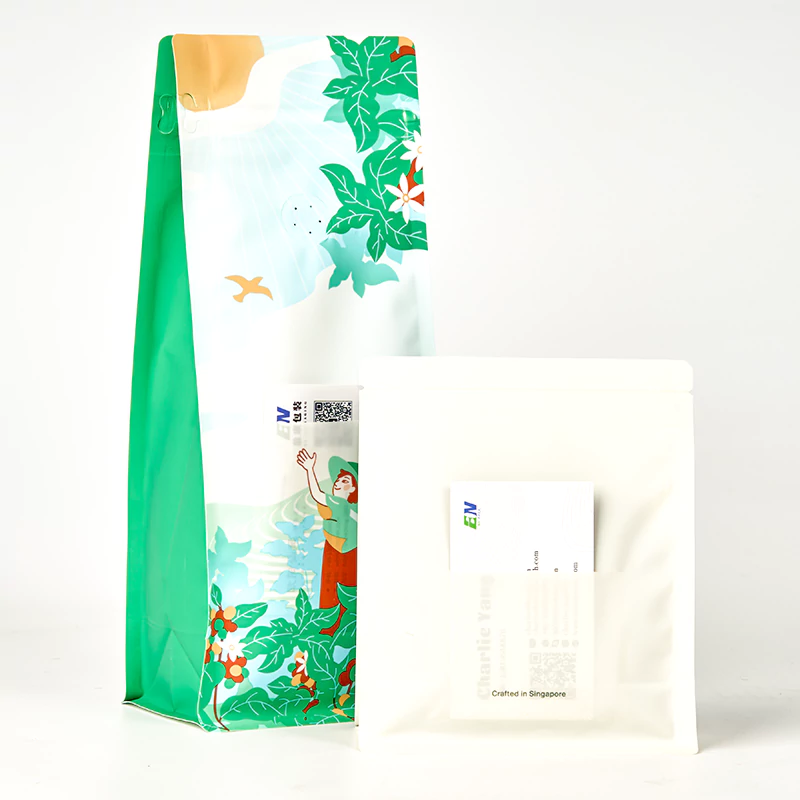
The best custom coffee packaging size depends on coffee type, customer habits, and sales channel. A 12 oz bag remains a common choice for specialty coffee because it provides around 14–19 servings based on a 18–25 g daily brewing amount. Smaller 6–8 oz bags support premium products and sampling, while 2–5 lb bags fit cafes and wholesale buyers. Brands should compare freshness, packaging cost, shipping needs, and customer usage before selecting a size.
Coffee packaging size affects how customers experience freshness, pricing, and product convenience. Roasted coffee releases carbon dioxide after roasting, and oxygen exposure gradually reduces aroma quality. A smaller package allows many consumers to finish coffee within 2–4 weeks after opening, which matches the freshness period preferred by many specialty roasters.
For retail coffee brands, 10–12 oz packaging is widely used because it fits common household consumption patterns. A 12 oz bag contains about 340 g of coffee, which provides approximately 14–19 cups depending on brewing style. According to specialty coffee market reports published after 2020, single-origin and premium roast products often use this size because it balances shelf presence with customer affordability.
A package should match how quickly customers drink coffee, not only how much coffee the bag can hold.
Different product lines require different package sizes. A company selling seasonal beans, limited releases, and tasting collections usually benefits from smaller formats. These bags allow customers to try new flavors without purchasing a full-size package.
| Package size | Common weight | Suitable products |
|---|---|---|
| 2–3 oz | 56–85 g | Samples, gift sets, coffee subscriptions |
| 6–8 oz | 170–227 g | Premium beans, limited editions |
| 10–12 oz | 283–340 g | Everyday retail coffee |
| 16 oz | 454 g | Regular household use |
| 2–5 lb | 907 g–2.27 kg | Cafes, offices, wholesale |
Small packages also help brands create more product variety. A customer may be more willing to test three 4 oz coffee bags from different regions than purchase one 12 oz bag. Subscription companies often use smaller formats because they can send several roast profiles in one shipment.
As product variety increases, packaging design becomes more important. Brands using custom printed coffee bags can adjust bag sizes, printing areas, valve positions, and closure styles according to different coffee categories.
Medium-sized bags between 10 oz and 16 oz are often the standard choice for consumer retail because they combine reasonable production costs with strong shelf visibility. Many specialty coffee companies introduced 12 oz packaging during the growth of direct-to-consumer coffee sales between 2015 and 2025.
This size gives brands enough space for product information, including:
-
Coffee origin
-
Roast level
-
Brewing suggestions
-
Processing method
-
Brand story
-
Sustainability information
A 12 oz bag also works well for online sales. Parcel shipping costs usually increase with package dimensions rather than only product weight, so a compact coffee bag can reduce storage and delivery expenses. Some online coffee sellers report that reducing package size by 10–15% can improve warehouse space usage when thousands of units are stored.
Larger coffee bags are more suitable for customers who consume coffee frequently. A 2 lb or 5 lb package reduces the number of purchases required during the month and lowers packaging cost per kilogram.
For example:
| Customer type | Recommended size |
|---|---|
| Occasional home brewer | 6–8 oz |
| Daily coffee drinker | 10–16 oz |
| Coffee subscription user | 8–12 oz |
| Cafe customer | 2–5 lb |
| Office coffee supplier | 5 lb or larger |
However, larger packages need better storage solutions. After opening, a large bag contains more empty space as coffee is consumed, increasing contact between coffee and air. Some commercial users divide bulk coffee into smaller containers to maintain better quality.
The material structure should also match package size. Coffee packaging usually includes layers that protect against oxygen, moisture, and light. Aluminum foil layers, polyethylene films, and kraft paper combinations are widely used in commercial coffee packaging.
A typical high-barrier coffee bag may include:
| Material layer | Purpose |
|---|---|
| Outer printed layer | Brand appearance and product information |
| Barrier layer | Limits oxygen and moisture entry |
| Inner food-contact layer | Protects coffee safety |
Coffee freshness studies have shown that oxygen exposure is one of the main factors affecting aroma loss after roasting. Packaging with strong barrier properties can extend unopened shelf life from several months depending on roasting method, storage conditions, and packaging technology.
Package size also influences inventory management. A brand offering 20 different coffee flavors may prefer smaller bags because each product takes less storage space. A company selling only two or three popular blends may choose larger bags to reduce production frequency.
A practical product line may include several sizes:
-
3 oz bags for customer trials
-
8 oz bags for premium collections
-
12 oz bags for main retail products
-
2 lb bags for repeat buyers
-
5 lb bags for business customers
This approach allows one brand to serve different buying habits without creating a completely separate packaging system.
The final choice should consider coffee type, average consumption, selling channel, and pricing structure. Light roast specialty coffee often fits smaller packages because customers may value freshness and variety. Medium and dark roast everyday blends can work well in 12–16 oz formats because they match regular household use.
For wholesale markets, larger bags remain practical. Cafes using espresso machines may consume several kilograms of coffee each week, making 2–5 lb packaging more efficient than small retail bags.
The most suitable coffee bag size combines product freshness, customer usage, and business operating costs in one package format.
Before ordering custom packaging, brands should test different sizes with real customers. Reviewing purchase frequency, repeat orders, shipping expenses, and customer feedback from a sample group of 100–500 buyers can provide useful information for selecting the final package size.
A well-matched coffee package helps maintain product quality, supports efficient distribution, and gives customers a size that fits their daily coffee routine.